
You spent countless hours juggling digital ads, print collateral, branded apparel, and promo items—yet your brand still feels scattered. That fragmented approach wastes budget and blurs your message. Imagine a unified marketing system that ties every channel together, delivering consistent brand impact and clear ROI. In this post, you’ll get a straightforward framework to build that system and see how Dream Marketing LLC can be your partner every step of the way.
Building a Unified Marketing System
To achieve a unified marketing system, it’s crucial to establish a solid foundation. This means setting clear goals, maintaining brand consistency, and understanding your customer’s journey.
Defining Goals and Objectives
Begin with defining your goals. What are you aiming to achieve? Whether it’s increasing brand awareness or boosting sales, having clear objectives is your roadmap. Break down these goals into actionable steps. For example, if increasing online sales is the target, identify the platforms and strategies that will support this. With clear goals, your marketing efforts become focused and productive.
Next, align your objectives with your available resources. This ensures that your team can manage tasks effectively without feeling overwhelmed. Regularly reviewing and adjusting goals keeps your marketing strategy agile and responsive to changes in the market.
Creating a Cohesive Brand System
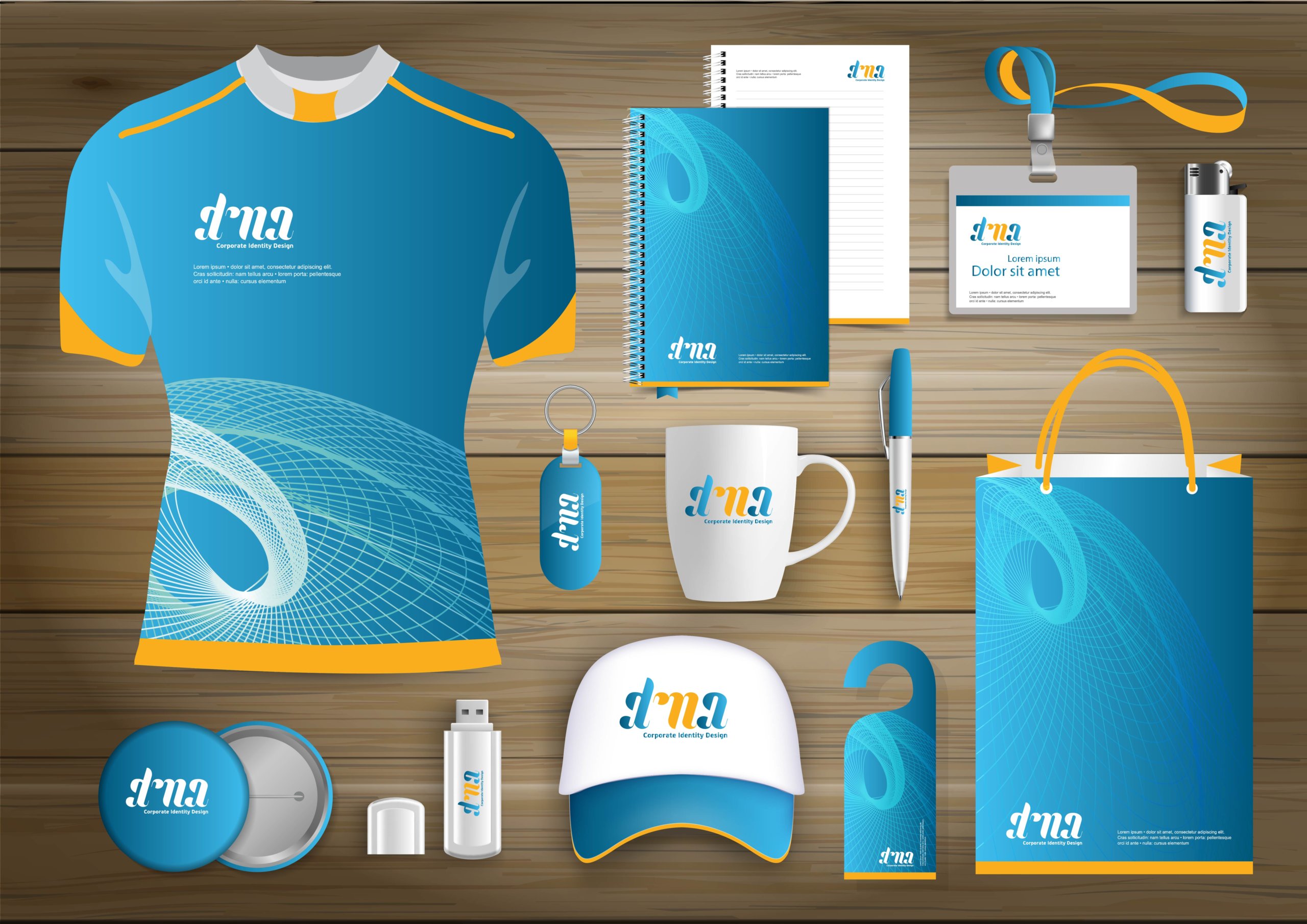
Your brand should appear seamless across all channels. Consistency builds trust and recognition. Start by developing brand guidelines that cover visual and messaging elements. This includes logos, color schemes, fonts, and tone of voice. These guidelines act as a blueprint for all marketing materials, ensuring they align with your brand identity.
Incorporate feedback from various departments to ensure the guidelines are comprehensive. This collaborative approach not only strengthens your brand but also encourages team buy-in, making it easier to maintain consistency.
Mapping the Customer Journey
Understanding the customer journey is essential for a unified marketing system. Map out each interaction your customers have with your brand, from discovery to purchase. Identify key touchpoints where your brand can engage customers and enhance their experience.
This mapping process helps pinpoint areas where your current strategy may fall short. By addressing these gaps, you can create a more cohesive and satisfying experience, ultimately leading to higher customer retention and loyalty.
Essential Marketing Tools and Strategies
With goals in place and a clear understanding of your customer journey, it’s time to explore essential tools and strategies.
Core Stack and Technology Integration
Integrating the right technology is crucial for harmonizing your marketing efforts. Essential tools include a CRM system for managing customer relationships and marketing automation software for streamlining campaigns. These tools allow for efficient tracking and management of marketing activities, reducing the risk of errors and saving time.
Choose technology solutions that can grow with your business. Scalable options ensure that your marketing infrastructure remains robust as your business evolves. This not only supports current needs but also prepares you for future expansion.
Standardizing Assets and Templates
Standardization speeds up the creation process and maintains consistency. Develop a library of assets and templates for different marketing needs. These can range from email templates to social media graphics. Having these resources readily available ensures that your team can quickly deploy campaigns without sacrificing quality.
Regularly update these assets to reflect any changes in your brand guidelines or market trends. This ensures that your marketing materials remain relevant and effective in capturing your audience’s attention.
Personalization and Customization Techniques
Personalization is key to connecting with your audience on a deeper level. Utilize data to tailor your marketing messages. This can be as simple as including the recipient’s name in an email or offering product recommendations based on past purchases.
Customization goes beyond personalization by allowing customers to interact with your brand in unique ways. This could involve offering customizable products or experiences, which can significantly enhance customer satisfaction and loyalty.
Operationalizing and Measuring Success

The final step in creating a unified marketing system involves streamlining operations and measuring success.
Streamlining Operations and Workflow
Efficient workflows are the backbone of successful marketing operations. Identify bottlenecks in your current processes and find ways to eliminate them. This might involve automating repetitive tasks or reassigning responsibilities to better match team strengths.
Regularly reviewing and optimizing workflows ensures that your marketing team operates at peak efficiency, allowing them to focus on more strategic tasks that drive business growth.
Quality and Brand Governance
Quality control is crucial in maintaining brand integrity. Establish protocols for reviewing marketing materials before they go live. This includes checking for consistency with brand guidelines and ensuring that all content meets quality standards.
Implementing a brand governance framework helps maintain oversight and accountability, ensuring that all marketing efforts align with your strategic objectives and brand values.
Measurement and Analytics for ROI
Measuring the success of your marketing efforts is essential for growth. Utilize analytics tools to track key performance indicators (KPIs) and return on investment (ROI). These metrics provide valuable insights into what’s working and what needs adjustment.
Regularly reviewing analytics data allows you to make informed decisions and optimize your marketing strategy for better results. This data-driven approach ensures that your marketing system remains effective and aligned with your business goals.
Frequently Asked Questions
What is a unified marketing system?
A unified marketing system integrates various marketing channels like digital, print, and promotional items to deliver a consistent brand message. It ensures all marketing efforts work together to achieve common goals.
How do I maintain brand consistency?
Create brand guidelines that outline your visual and messaging elements. Use these guidelines across all marketing materials to ensure a cohesive brand appearance, reinforcing trust and recognition.
Why is mapping the customer journey important?
Mapping the customer journey helps you understand each interaction a customer has with your brand. This insight allows you to enhance customer experiences, identify gaps in your strategy, and improve customer retention.
What tools are essential for a unified marketing strategy?
Key tools include CRM systems, marketing automation software, and analytics platforms. These tools help streamline processes, manage customer relationships, and measure marketing success.
How can I measure the success of my marketing efforts?
Use analytics tools to track KPIs and ROI. Regularly review this data to identify successful strategies and areas for improvement, allowing you to optimize your marketing efforts for better results.