
You’ve spent weeks juggling fall marketing ideas, yet your print and digital marketing still feel like separate worlds. That split drains time and blurs your brand message just when consistency matters most. This integrated marketing campaign playbook pulls everything together—print, digital, branded apparel, and promotional products—into one clear plan that gets results. Ready to see how a unified approach simplifies your work and boosts impact? Check out this guide to integrated marketing.
Build Your Fall Campaign Foundation
Start by laying a solid groundwork for your campaign. This sets the tempo for everything to follow, ensuring that print, digital, and other elements work in harmony.
Crafting a Step-by-Step Framework
Begin with a clear framework. Identify the core elements you want to highlight. Whether it’s new products, seasonal promotions, or brand storytelling, pinpoint your key messages. Next, map out the channels you’ll use. Will you leverage digital platforms primarily, or will print play a significant role too? By deciding this early, you can allocate resources smartly and avoid last-minute scrambles.
Set specific goals for each channel. If social media is a focus, determine what success looks like. Is it more followers, higher engagement, or increased conversions? The clearer your objectives, the easier it is to measure success. Finally, consider your audience. Tailor your messages to speak to their needs and preferences. This ensures your campaign resonates and prompts action.
Creating an Effective Campaign Calendar
An effective campaign calendar is your roadmap to success. Begin by marking essential dates. Are there key holidays or events that align with your campaign? By knowing these dates, you can plan launches and promotions effectively. Next, plot out content deadlines. When should graphics be ready? When do emails need to be sent? A detailed schedule helps you manage tasks efficiently.
Incorporate flexibility into your calendar. While planning is crucial, unexpected changes can occur. Be ready to adjust your timeline if needed. Communicate your calendar with your team. Everyone should be on the same page to ensure smooth execution. Use tools that allow for easy updates and collaboration, keeping everyone informed and aligned.
Strategies for Measurement and ROI
Measuring success is essential for any campaign. Start by determining the metrics that matter most. Are you focused on engagement, conversions, or brand awareness? By defining these metrics, you can track progress accurately. Next, use tools to gather data. Whether it’s Google Analytics for web traffic or social media insights for engagement, having the right tools is crucial.
Analyze your results regularly. Don’t wait until the campaign ends to assess its performance. Regular check-ins allow for adjustments and optimizations, ensuring better outcomes. Finally, calculate your ROI. Compare your investment against the results achieved. This helps you understand the true value of your efforts and guides future campaigns.
Channel Integration for Maximum Impact
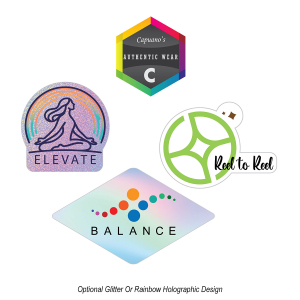
Integrating your channels ensures that every piece of your campaign works together, creating a cohesive and powerful message.
Print and Digital Marketing Synergy
Combining print and digital marketing can amplify your message. Print offers tangibility, while digital provides reach. When used together, they reinforce each other. Start by aligning your visuals and messaging. Whether it’s a brochure or a social media post, consistency is key. This creates a unified brand experience for your audience.
Use digital to enhance print. QR codes can bridge the gap, leading readers from physical to online experiences. Likewise, encourage your digital audience to seek out your print materials for exclusive content. Measure the synergy by tracking how each channel influences the other. This reveals insights into how your audience interacts with your brand across different touchpoints.
For more insights on integrating these strategies, explore this comprehensive guide.
Branded Apparel and Promotional Products
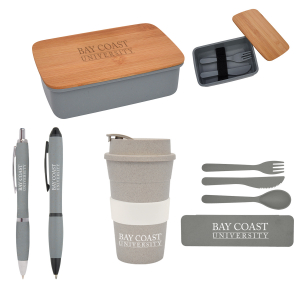
Branded apparel and promotional products are powerful tools for brand recognition. Start by selecting items that align with your brand and audience. Whether it’s a sleek t-shirt or a handy tote bag, choose products that people will use and appreciate. This keeps your brand top of mind.
Consider the design and message on your products. Ensure they reflect your brand’s personality and values. A catchy slogan or eye-catching logo can make a significant impact. Distribute these items strategically. Events, giveaways, or as thank-you gifts to loyal customers are great opportunities to showcase your brand.
The Power of Direct Mail Marketing
Direct mail is far from obsolete. When done right, it’s a powerful way to reach your audience. Start by personalizing your mail. Use names, tailored offers, and personal messages to create a connection. This increases the chances of your mail being opened and read.
Combine direct mail with digital elements. QR codes or personalized URLs can lead recipients to online landing pages, enhancing engagement. Measure the success of your direct mail campaigns by tracking responses. This could be through coupon usage, online sign-ups, or direct feedback. Understanding the impact of your mail helps refine future efforts. Check out this detailed guide on direct mail marketing for more tips.
Executing and Measuring Success
With your campaign in full swing, focus on execution and monitoring to ensure everything runs smoothly.
Setting Up UTM Tracking and QR Codes
UTM tracking and QR codes are essential for monitoring your campaign’s performance. Start by setting up UTM codes for your digital links. This helps track where your traffic is coming from, whether it’s an email, social media post, or online ad. By knowing the source of your traffic, you can gauge the effectiveness of each channel.
QR codes are another valuable tool. They provide a seamless way for users to access your digital content from physical materials. Place them on print ads, brochures, or direct mail pieces. Ensure they lead to optimized landing pages that provide value to the user. This bridges the gap between offline and online experiences, enhancing engagement.
Analyzing Results with Email and Social Media
Email and social media are integral to any campaign. Start by monitoring key metrics. For email, track open rates, click-through rates, and conversions. This helps you understand what content resonates with your audience. For social media, focus on engagement metrics like likes, shares, and comments. These indicate how well your content is performing.
Use insights from these platforms to refine your strategy. If a particular email or post performs well, analyze why and replicate the success in future campaigns. Conversely, if something doesn’t work, identify the issue and adjust accordingly. Regular analysis ensures your campaign remains on track and delivers the desired results.
Tracking Success with Comprehensive Reporting 📊
Comprehensive reporting is crucial for understanding your campaign’s impact. Start by compiling data from all channels. This includes website analytics, social media insights, email performance, and direct mail responses. By consolidating this data, you get a holistic view of your campaign.
Create reports that highlight key findings. Focus on metrics that align with your initial goals. Whether it’s increased web traffic, higher engagement, or more conversions, showcase the successes. Use these insights to plan future campaigns. By understanding what works and what doesn’t, you can continually optimize your marketing efforts for better results.
Frequently Asked Questions
What is an integrated marketing campaign?
An integrated marketing campaign combines various channels and tactics to deliver a cohesive message. It ensures that all elements work together, amplifying the overall impact and reach.
How can I measure the success of my marketing campaign?
Measure success by tracking key metrics like engagement, conversions, and ROI. Use tools like Google Analytics, social media insights, and direct mail response rates to gather data and analyze performance.
Why is channel integration important in marketing?
Channel integration ensures a consistent brand experience across all touchpoints. It increases the effectiveness of your marketing efforts by reinforcing your message through multiple platforms.
By following these strategies, you’ll create a robust fall marketing campaign that unifies print, digital, branded apparel, and promotional products into a powerful force.